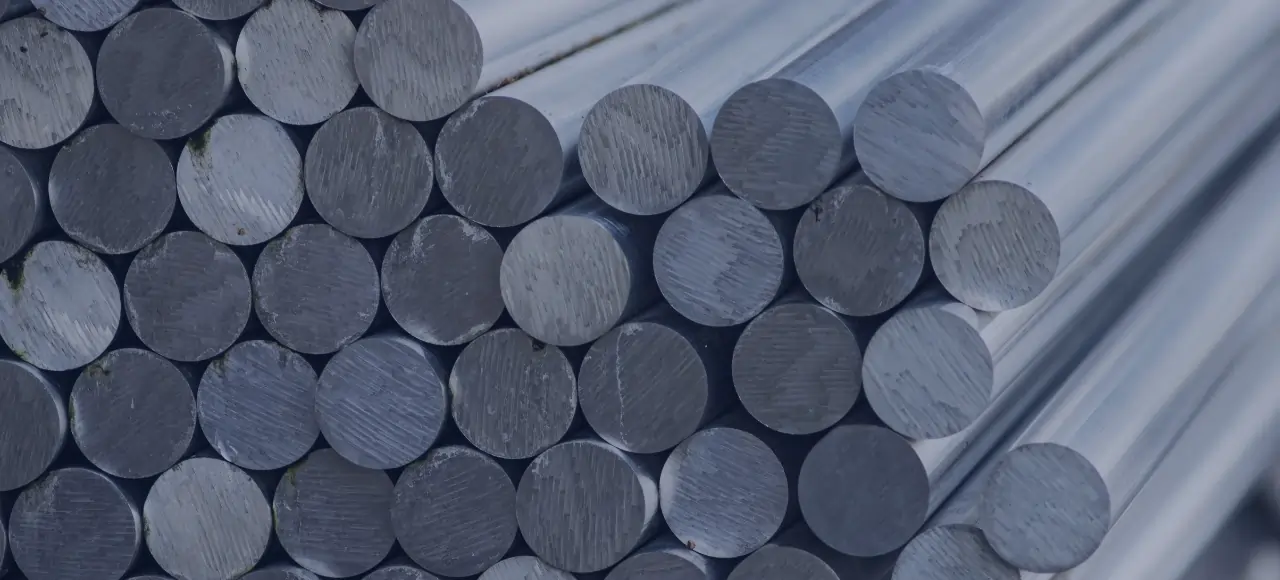
US Aerospace Bar – High-Performance Metal Bars for the Aerospace Industry
The aerospace industry demands materials that meet the highest standards of strength, precision, reliability, and safety. From commercial aircraft and military jets to spacecraft and defense systems, every component must perform flawlessly under extreme conditions. US aerospace bar products play a critical role in meeting these demands by providing high-performance metal bars engineered specifically for aerospace applications.
This article explores what US aerospace bars are, the materials used, manufacturing processes, standards, applications, and why sourcing aerospace bars from qualified US suppliers is essential for quality and compliance.
What Is a US Aerospace Bar?
A US aerospace bar refers to metal bar stock—such as round, square, rectangular, or hexagonal bars—manufactured in the United States to meet strict aerospace industry specifications. These bars are produced from high-performance alloys and are designed for precision machining, structural integrity, and long-term reliability.
Unlike general industrial bar stock, aerospace bars must comply with rigorous standards related to mechanical strength, chemical composition, dimensional accuracy, and traceability.
Importance of Aerospace Bars in Aviation and Space Applications
Aerospace components are exposed to:
-
Extreme temperatures
-
High pressure and stress
-
Vibration and fatigue
-
Corrosive environments
US aerospace bars are engineered to withstand these conditions while maintaining consistent performance. Even minor material defects can compromise safety, making material quality absolutely critical.
Common Materials Used in US Aerospace Bars
Aluminum Aerospace Bars
Aluminum alloys are widely used due to their lightweight nature and high strength-to-weight ratio.
Common grades include:
-
2024
-
6061
-
7075
Applications include aircraft structures, frames, and wing components.
Titanium Aerospace Bars
Titanium offers excellent corrosion resistance, high strength, and outstanding performance at elevated temperatures.
Popular titanium grades:
-
Grade 2
-
Grade 5 (Ti-6Al-4V)
Used in jet engines, landing gear, and aerospace fasteners.
Stainless Steel Aerospace Bars
Stainless steel bars provide strength, corrosion resistance, and heat tolerance.
Common grades:
-
15-5PH
-
17-4PH
-
304 and 316
Used in shafts, fittings, and structural components.
Nickel-Based Alloy Bars
Nickel alloys are critical for high-temperature and high-stress aerospace applications.
Examples include:
-
Inconel
-
Hastelloy
-
Monel
These materials are essential for turbine engines and exhaust systems.
Manufacturing Process of US Aerospace Bars
Raw Material Selection
High-purity raw materials are carefully selected and tested to meet aerospace chemical composition requirements.
Melting and Refining
Advanced melting techniques such as:
-
Vacuum Induction Melting (VIM)
-
Vacuum Arc Remelting (VAR)
These processes ensure material cleanliness and uniformity.
Hot and Cold Working
Bars are formed through controlled hot rolling, forging, or extrusion, followed by cold working for dimensional accuracy.
Heat Treatment
Heat treatment improves strength, fatigue resistance, and mechanical properties.
Precision Finishing
Bars are straightened, surface-finished, and cut to precise lengths.
Aerospace Standards and Certifications in the US
US aerospace bar manufacturers must comply with strict industry standards, including:
-
AMS (Aerospace Material Specifications)
-
ASTM standards
-
AS9100 quality management system
-
ISO 9001
Full material traceability and Mill Test Certificates (MTCs) are mandatory.
Applications of US Aerospace Bars
Aircraft Structures
Used in:
-
Fuselage frames
-
Wing spars
-
Structural supports
Engine and Turbine Components
Nickel and titanium bars are machined into:
-
Turbine shafts
-
Compressor components
-
Engine fasteners
Landing Gear Systems
High-strength steel and titanium bars provide:
-
Impact resistance
-
Fatigue durability
Space and Defense Systems
Aerospace bars are used in:
-
Rocket components
-
Satellite structures
-
Missile systems
Advantages of Sourcing Aerospace Bars from US Manufacturers
Superior Quality Control
US manufacturers follow strict regulatory and inspection requirements.
Full Traceability
Every bar can be traced back to its heat number and production batch.
Compliance with Defense and Aerospace Regulations
Essential for government, military, and aerospace OEMs.
Consistent Mechanical Performance
Reliable material properties reduce risk during machining and operation.
Advanced Technical Support
US suppliers provide material expertise and documentation support.
Machining and Fabrication Benefits
US aerospace bars are designed for:
-
CNC machining
-
Precision turning and milling
-
Tight tolerance applications
This reduces scrap rates, machining time, and production costs.
Quality Testing and Inspection
Common tests include:
-
Tensile and yield strength testing
-
Ultrasonic inspection
-
Chemical analysis
-
Dimensional inspection
These tests ensure aerospace bars meet exact performance requirements.
Market Demand and Growth in the US Aerospace Sector
The US remains one of the world’s largest aerospace markets, driven by:
-
Commercial aviation growth
-
Military modernization programs
-
Space exploration and private space companies
This sustained demand continues to drive innovation in aerospace bar manufacturing.
Sustainability and Responsible Manufacturing
US aerospace bar manufacturers are increasingly adopting:
-
Energy-efficient processes
-
Recycled alloy usage
-
Waste reduction programs
Sustainability is becoming an important factor in aerospace material sourcing.
Choosing the Right US Aerospace Bar Supplier
When selecting a supplier, consider:
-
Certification and compliance
-
Material availability
-
Custom sizes and processing
-
Delivery reliability
-
Technical documentation support
A reliable supplier ensures long-term project success.
Conclusion
US aerospace bar products are essential components in the aerospace, defense, and space industries, offering unmatched strength, precision, and reliability. Manufactured under strict standards and supported by advanced quality control systems, these high-performance metal bars ensure safety and performance in the most demanding applications.
By sourcing aerospace bars from qualified US manufacturers, aerospace companies gain confidence in material integrity, regulatory compliance, and long-term operational success.